Michael and I have never been big fans of the beach. When we lived in Southern California, near the beach, we would get all of our beach stuff together… chairs, umbrella, cold drinks, snacks, reading material and drive to the beach, pay for parking, drag all of our stuff out onto the sand, set it all up and settle down for our day at the beach. About a half an hour later, we would look at each other, decide we had had enough and head for home. But in Spain we finally participated in the all day beach experience. We would rent an umbrella and lounge chairs and spend several hours enjoying the people watching, reading, warm Mediterranean Sea and a nice cold drink (Mike especially appreciated that they are topless beaches). We hit the beaches in Torremolinos, Valencia and Barcelona. Oh, and Mike finally got to wear his European speedo!


One of the reasons I really liked Valencia is that it is flat…yes, flat. We have visited so many Medieval cities that are walled cities built on the highest hill for strategic defense. So to visit the sites is an exercise in walking up hill and you can’t get there from here because the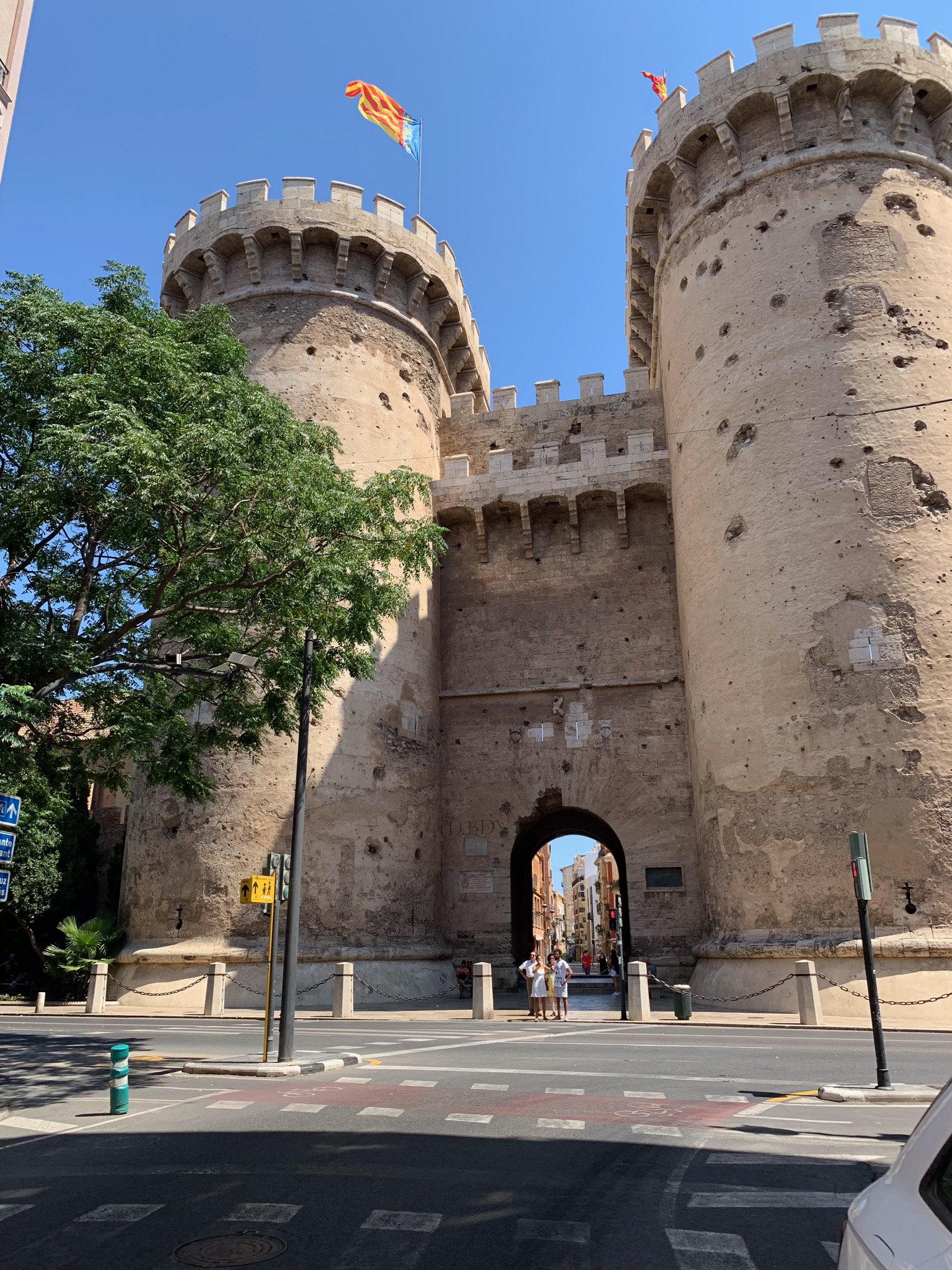 roads don’t go through. Valencia was a change and was nicely accessible. Historically, the leaders of Valencia made some progressive decisions that have made the city especially pleasant. Their defensive wall was removed and a ring road was developed keeping some of the traffic out of the center. There are two historic gates remaining. This one in the picture has canon ball divots in it from the last time the city was attacked.
Valencia moved the Turia River. After several years of severe flooding the city leaders decided to relocate the Turia away from the city in 1957. The city fathers planned to use the old river bottom for a highway but the people objected and a linear park was created. The park is five miles of bicycle and walking paths, playing fields, play grounds and water features. The area also includes an opera house and a science center with a science museum and conference center and one of the finest aquariums in Europe. We rented bikes and rode the paths from the Wild Animal park on one end to the beach on the other.


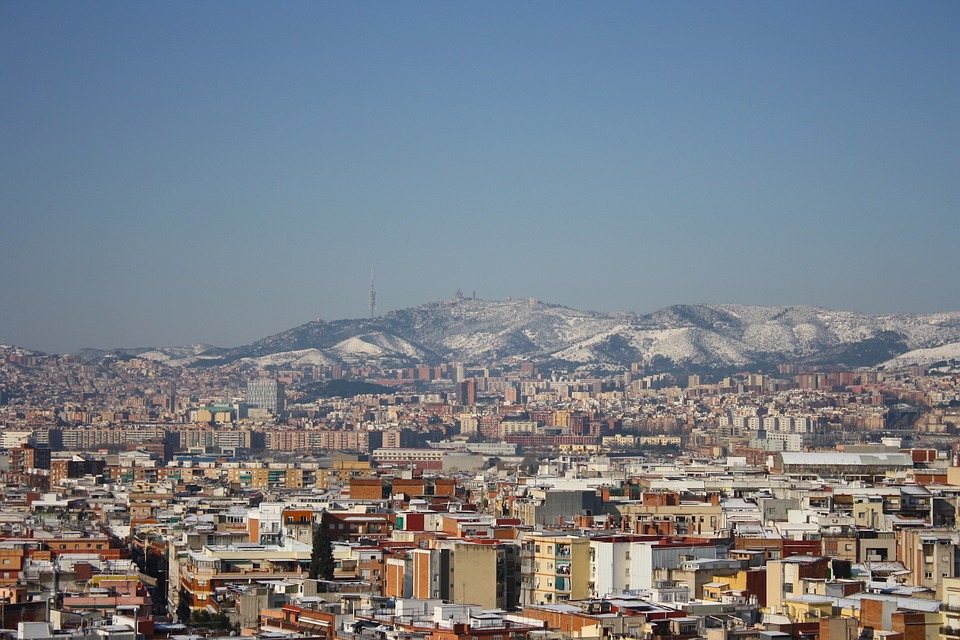 After a quick bus ride we were in our final Spanish city, Barcelona. Rooms are quite expensive in the city center so we stayed outside of town on the eighteenth floor of a high rise and took the metro into the city. What a view!
There were so many things to see, our favorites were the Picasso Art Gallery and the Segrada (segrada means holy) Familia. The Museu Picasso, houses one of the most extensive collections of his artwork. With 4,251 works exhibited, it was a long but very interesting visit. We really liked the way they displayed his work chronologically beginning with his first works of his family to work he completed just prior to his death. We don’t know why this statue has him dressed like Cesar.


Construction on the Basilica del la Segrada Famila began in 1882 and is expected to be finished by 2026. The architect, Antoni Gaudi began work on the project in 1883 and spent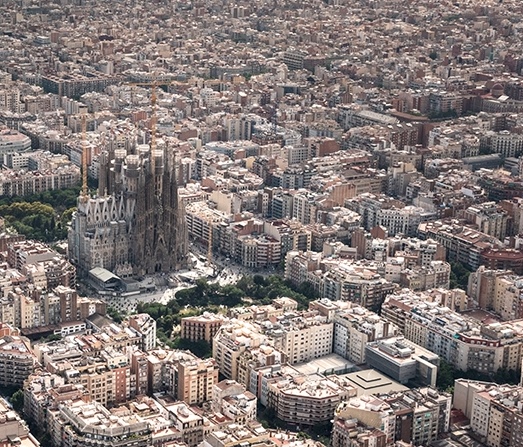 his whole life developing the the Basilica with a combination of Gothic and Art Nouveau styles. He was hit by a bus and killed with less than a quarter of the project finished. We saw the crypt in which he is buried. Progress was slow because the project is privately funded. We paid $32 each to visit it and it was packed so they are raising money from the tourists. There are ten more spires to be built.
The inside is really amazing, the stained glass in the main sanctuary is made of blues tones on the side of the morning sun and oranges on the side of the afternoon sun. The pillars are made to resemble tree trunks.


The two spires that are finished are the Passion Facade and the Nativity Facade. On the outside of the Nativity Facade are figures telling the story of the birth of Christ. The Passion Facade tells the story of the betrayal of Christ and his death. They are both quite beautiful but the Passion Facade is particularly moving.


One of the hallmarks of Spanish Cuisine is paella. It is made of white rice, green beans and some type of meat in a very shallow pan so that the rice is no more than an inch thick. It originated in Valencia in the mid 1800s so we thought the best place to have paella would be in Valencia. We tried two different restaurants and neither were great. But then when we were at the beach in Barcelona we found just the place and had excellent, traditional seafood paella. See our happy faces…a bike ride, beer and paella, what more could we ask.


 Travel the World Backpacking
What an epic adventure! You’re writing is so good! Very descriptive!
*your