As our ship left St. Petersburg for Moscow, our Captain, Vladimir IIyin toasted the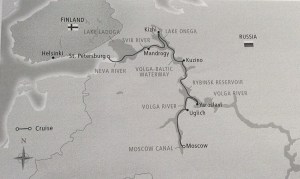 beginning of our journey with champagne in the Sky Bar. Although we had been on the ship for three days, everyone had been going their separate ways in St. Petersburg. This was the first time all of the passengers had been together and there was definitely excitement in the air.

World’s Largest Felt Boot
Our first stop was the next afternoon in the small community of Mandrogy. The original village was destroyed during WWII and disappeared from the map. But in 1996, an entrepreneurial Russian restructured the village into an open-air museum demonstrating the architecture, crafters (weavers, jewelers, potters) and age-old recipes for vodka. Mandrogy has many shops for purchasing crafts, horse drawn carts for rides around the village and the vodka museum. The traditional architecture was ornately charming.


The next morning we visited the island of Kizhi on Lake Onega. It’s the second largest lake 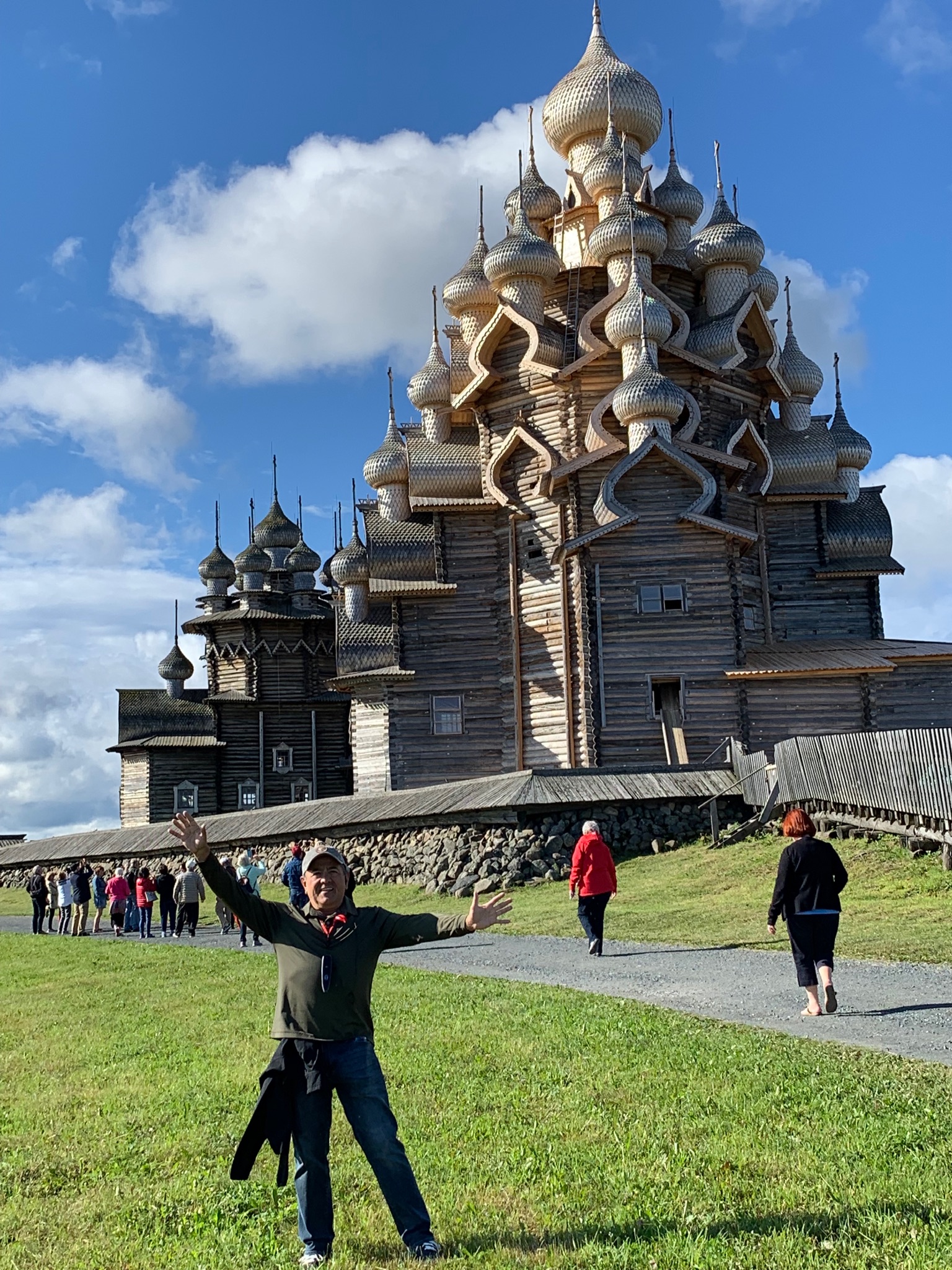 in Europe and the only time we felt rough water during the cruise. Although Kizhi has two small villages we didn’t go to either. We were there to visit the beautiful, unique Transfiguration Church. Originally built in 1714 without a single nail, it was recently revitalized. One surprising feature of Russian churches is that the attendees stand for the service. There are no pews. Standing during the hours long service was considered suffering for God. There is also an original farmhouse that we visited to get a glimpse of how a typical rural Russian family lived. It was a very interesting contrast to court life in St. Petersburg.
Entering the Volga River was marked by a statue of “Mother Volga” as the river is fondly called. The Volga is Russia’s national river with one third of Russian’s population of 50 million living in its basin. Along the Volga we visited the small town of Kuzino and although we went to a monastery, the highlight was a visit to the town’s school. A fourteen year old student gave us a tour (in English) and we were treated to a dance performance. Russian students begin learning a foreign language in fourth grade. They can choose from English, German or French.


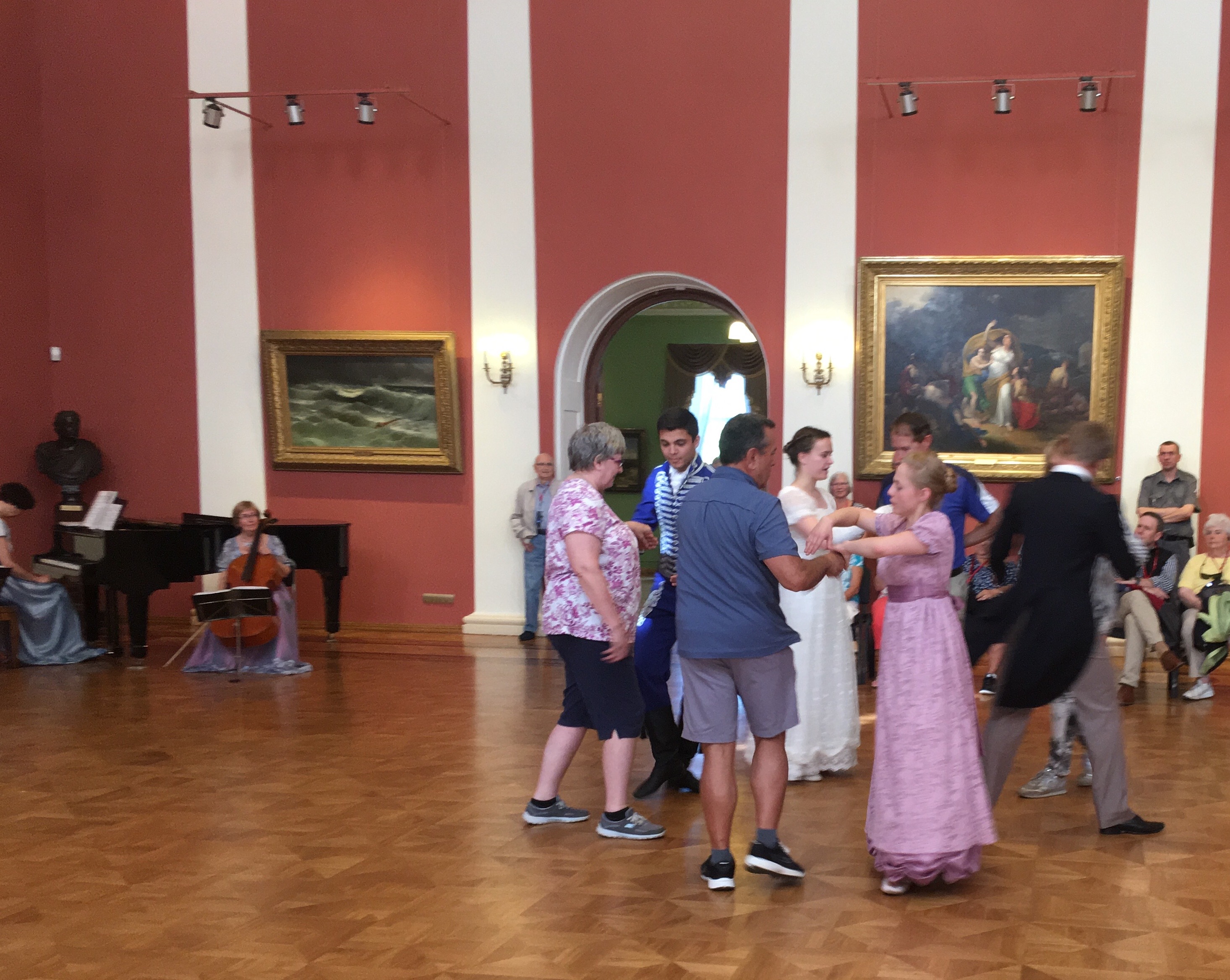 As we cruised on toward Moscow we went through many locks to accommodate our way up river. We spent the afternoon in Yaroslavl touring churches and visiting the Governor’s House. The Governor’s House included a Victorian era dance performance. One of the young ladies chose Michael to dance with her. Let’s just say that more lessons are in order.


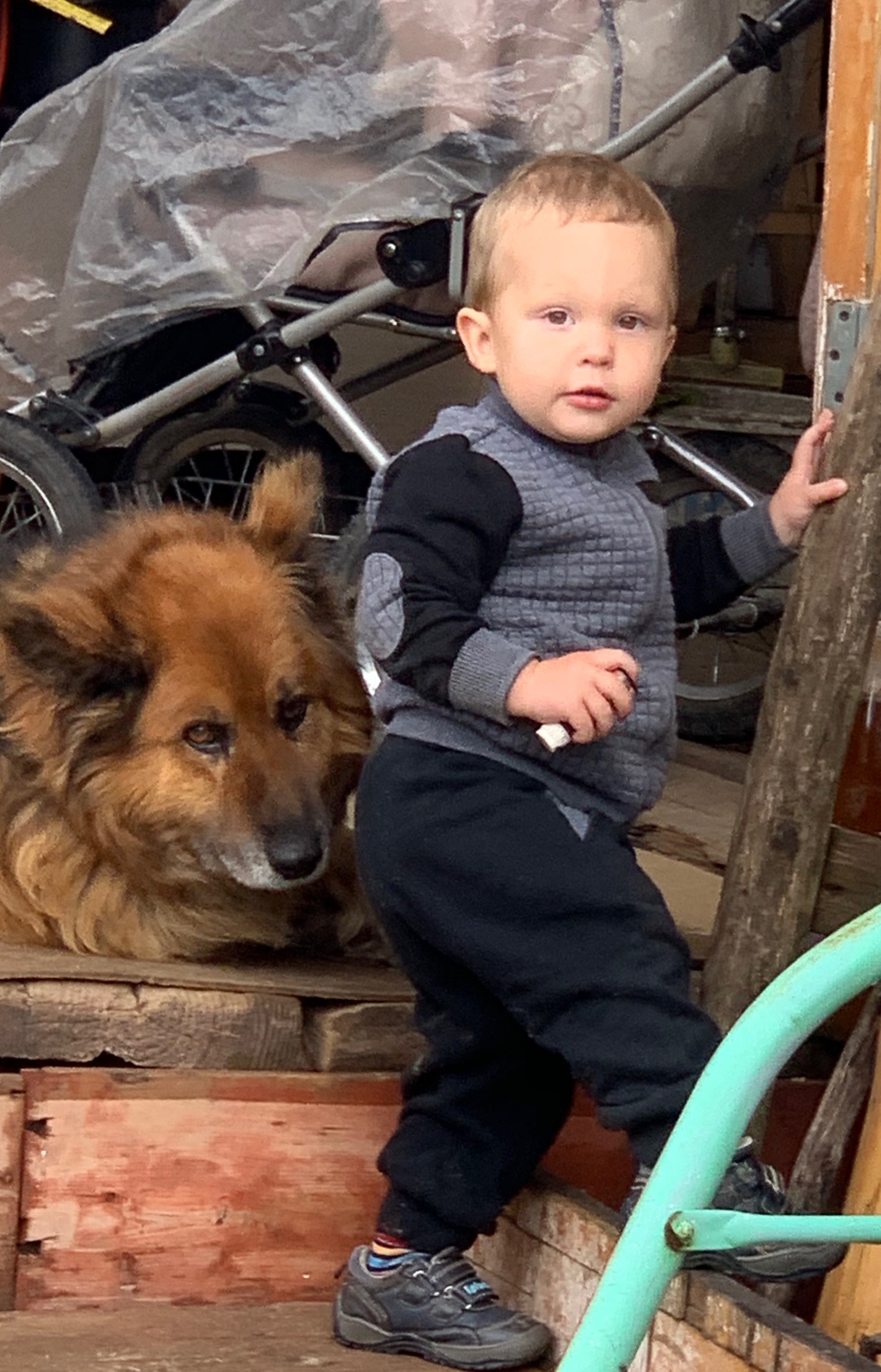
Grandson of the family we visited
Our last stop before Moscow was in the small town of Uglich. In Uglich we visited the Kremlin of Uglich. The word Kremlin means fortress . The fortified complex has seven buildings dating back to the 1,400’s. The most majestic part is the five-domed Cathedral. One of the most memorable tours was the home hosted visit with a Russian family. A group of fifteen of us went to a family’s home for a visit. The family served us traditional treats like pickles, roasted potatoes, cake, bread and homemade moonshine (it was like very strong vodka). Even though it was only ten in the morning they toasted us many times. I was careful to only sip my drink. In their small home they live with their adult son, adult daughter and their grandson (who stole everyone’s hearts). They were very excited that we were there and proud to have us in their home.


 Travel the World Backpacking
That church is amazing looking (Tranformative?) Thanks for another interesting update!
Thanks for following us Margo!
What a gorgeous place! You both look amazing! Keep the travel adventures coming! I enjoy it very much!
Hi Lisa, thanks for commenting.
Love the churches and all the gold. My guess is that it’s real or maybe gold leaf. Love all the pictures and your descriptions, Miss you both. Love Judi & Rick