A quick bus ride south took us from Santiago to Porto, Portugal. A fellow American, we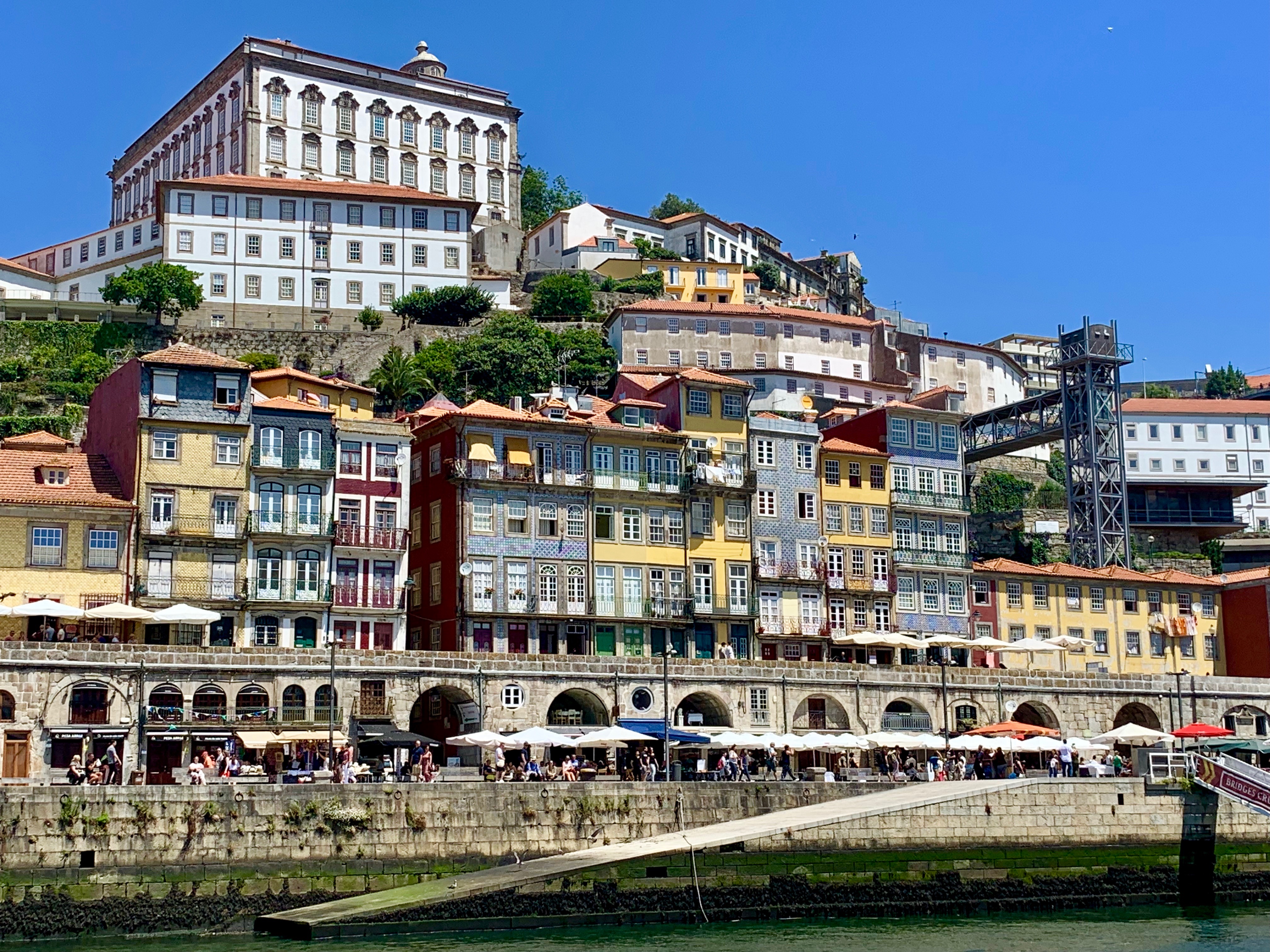 met along the way, told us we wouldn’t like Porto because it’s just an industrial town. Since we already had our bus tickets, I am happy to report he was wrong, because it was much more than that. Porto, the second largest city of Portugal, is famous for its long history (founded in 1123), for its cultural richness and for its bridges. Porto is also known for the tile that decorates the building fronts, port wine and sardines.
Porto is known as the “City of Bridges” for the six bridges that span the Douro River. The people of Porto are very proud of them. One bridge after another, Porto built more than simple functional structures, it acquired landmarks.

 Porto has a fishing industry so sardines are a “thing” there. All of the restaurants have sardines served several ways. Michael had a plate of sardines and although he liked them, he decided it was just too much work cleaning the bones and guts for very little meat. Gift shops are full of sardine themed art, magnets, scarves and pillows.
Decorative ceramic tile is on display on most of the building fronts, on churches and on the sidewalks. In 1503, King Manuel I brought tiles from Seville to decorate his palace. Hugely practical tiles help keep the interiors cool while needing minimal maintenance. As the tradition was adopted by the Portuguese people, tiles of many colors and designs appeared on buildings.


Port Wine begins in the Douro Valley, but gets it’s name from the city of Porto because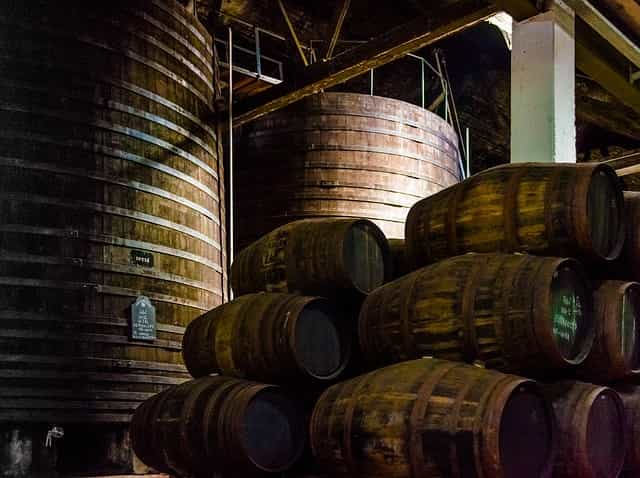 this is where the wine ages and is shipped all over the world. All of the wine caves are across the Douro River from Porto. We visited the Calem Cellers as it is one of the most famous and most visited. We had a very thorough tour and a tasting. Port wine is strong! Early on the wine makers found by adding brandy to their wine, it could be transported to England and France without spoiling so Port wine was born.
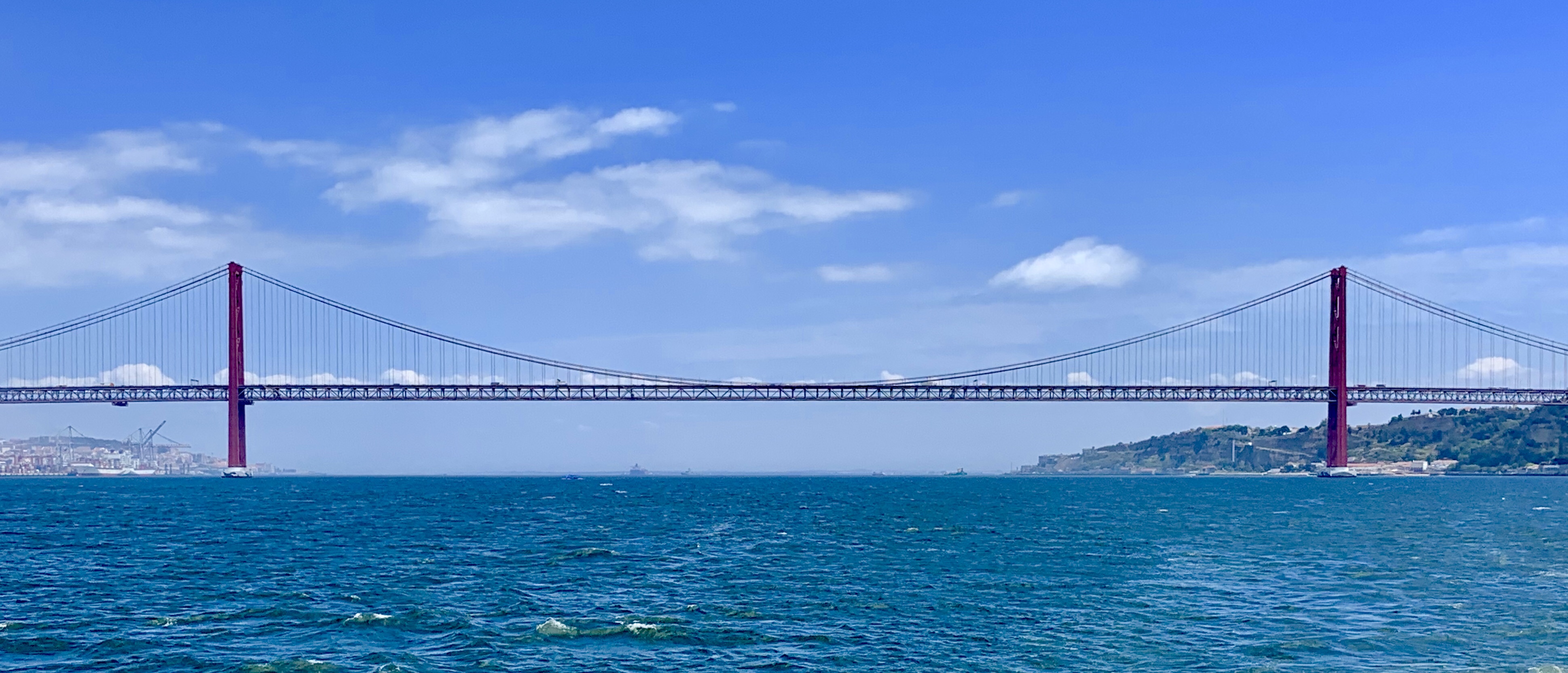 Our next stop in Portugal was it’s capital city, Lisbon. With over half a million people, Lisbon is the largest city in Portugal and one of the oldest in Western Europe (600-800 B.C.). The modern city began in about 1256 A.D. and although Lisbon is a very modern city, we chose to stay in the older central area. It is located at the Mouth of the Tagus river which is where many of Portugal’s famous maritime explorers launched from. Lisboan’s are proud of their Golden Gate Bridge look alike, coincidentally they both had the same designer.
Lisbon is know as the “City of Seven Hills” so it is impossible to walk anywhere without climbing…but the views are spectacular! The city center is hilly and the streets are very narrow because they were developed for walking and horse carts. In Lisbon, cable cars and funiculars are used for daily transportation.


Of the many museums we saw, the Museo de Coches (National Coaches Museum) was our favorite. The museum was created in 1905 by Queen Amelia to house the royal coaches from the 1500s-1800s. Each artist went to great lengths to make their coaches were more magnificent than the last. They were built for state visits from foreign royalty, the Pope’s visit and other special occasions. My favorite were the ones used for bride transfers. European royalty was determined to create good relationships with other countries by marrying their princesses to princes from other kingdoms. There are several coaches built specifically to carry the brides to their new countries.


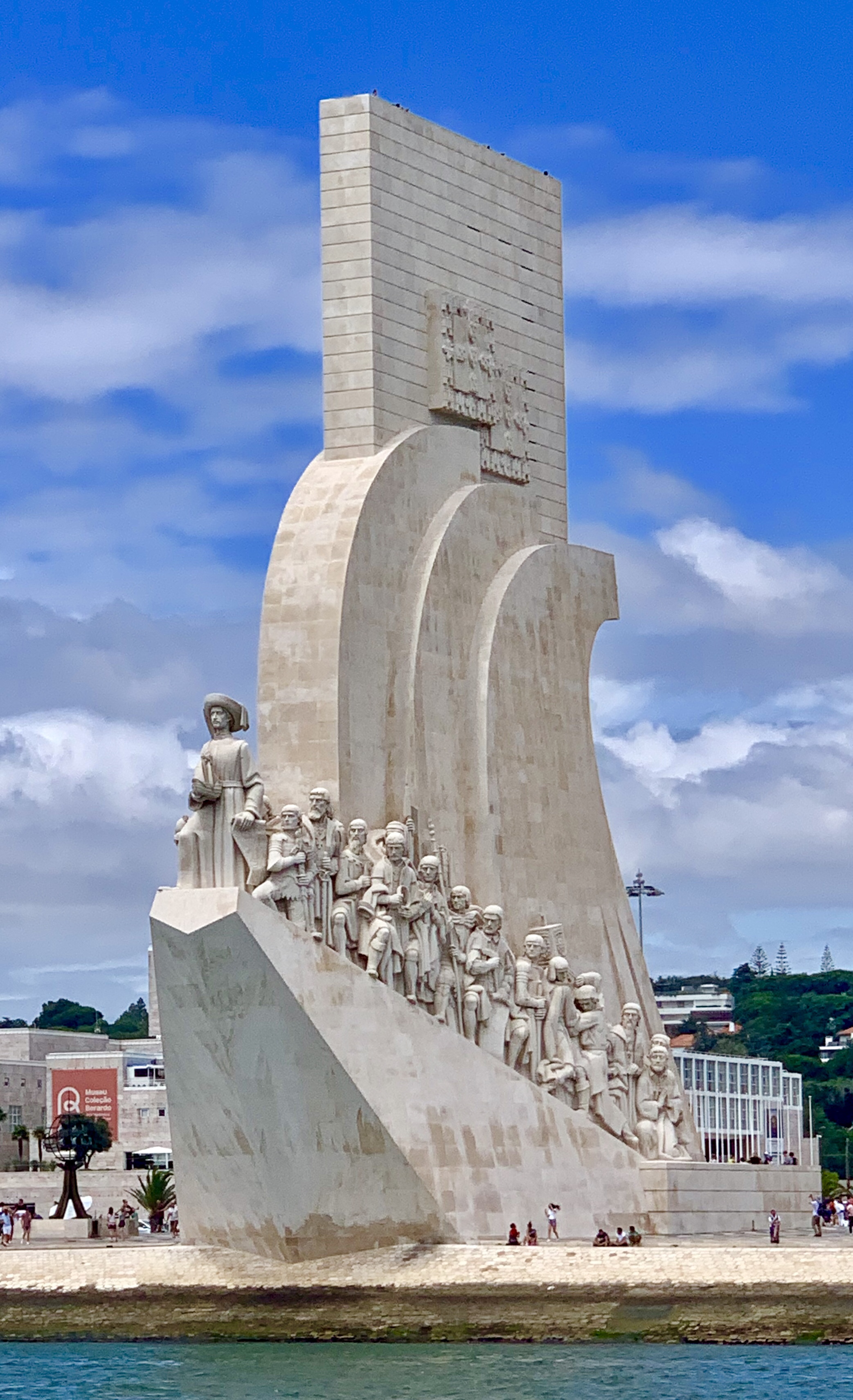 The Portuguese have a long history of extensive maritime exploration during the 15th and 16th centuries. This monument honors the leaders of that era. Prince Henry the Navigator is at the head of the monument. During that time Portuguese sailors were discovering and mapping the coasts fo Africa, Canada, Asia and Brazil.
After the hard work of site seeing in three cities we decided to hit the beach. Lagos is a tourist destination for the Portuguese and Spanish as well as other travelers. Michael wanted to wear his speedo like the other old European guys, but the water was just too cold. But, we did enjoy a day of bike riding along the coastal cliffs.


 Travel the World Backpacking