We traveled through many rural areas in Guatemala but then cut across outskirts of Guatemala City to the city of Antigua. In the mid 1500’s a volcanic eruption destroyed the capital of Guatemala so the colonial authorities moved the capital to what is now Antigua. For more than 200 years it served as the seat of the military governor of the Spanish colony of Guatemala, a large region that included almost all of present-day Central America and Chiapas (the southernmost state in Mexico).
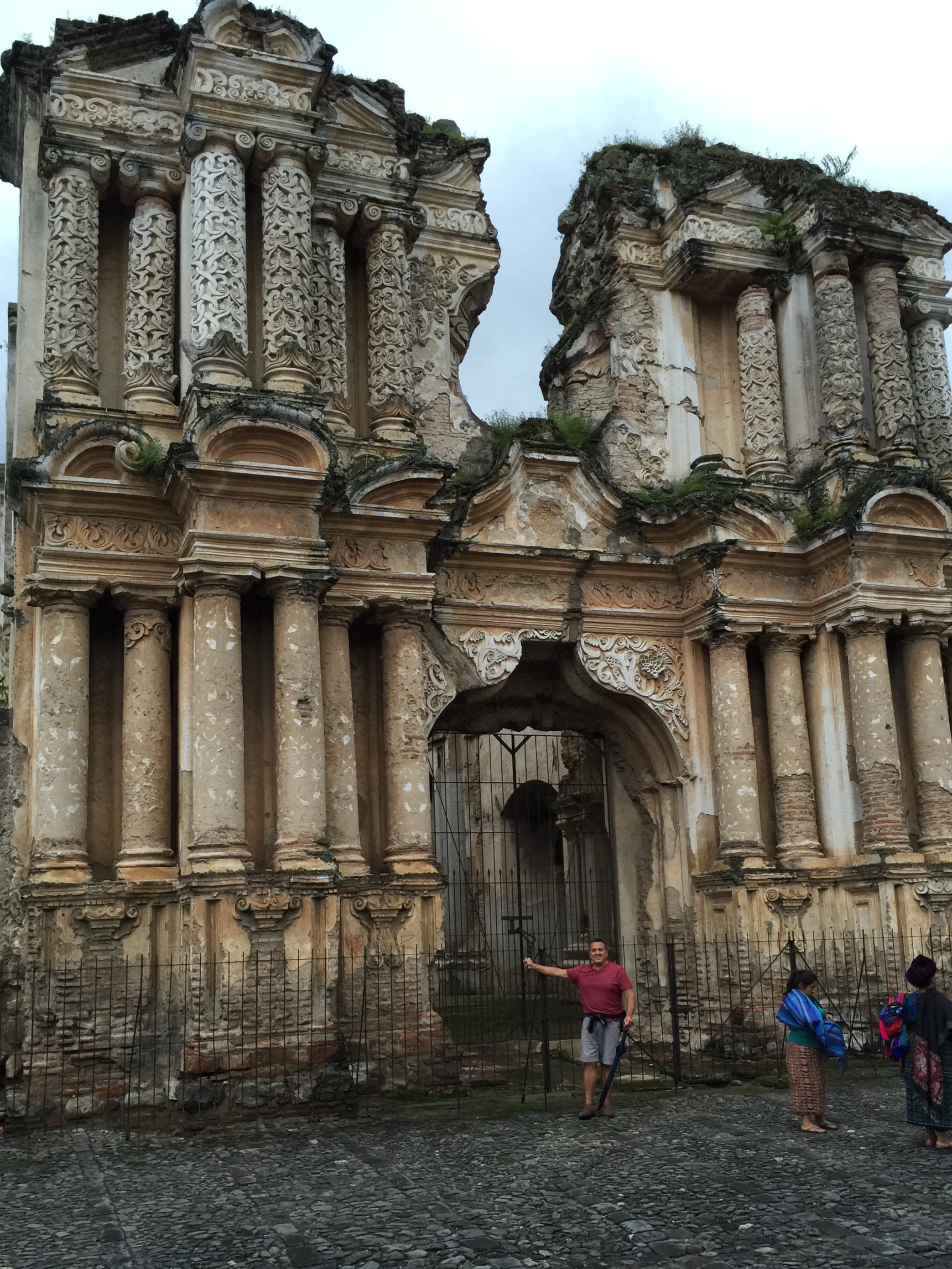
Antigua is a small city surrounded by volcanoes that was substantially restored following a 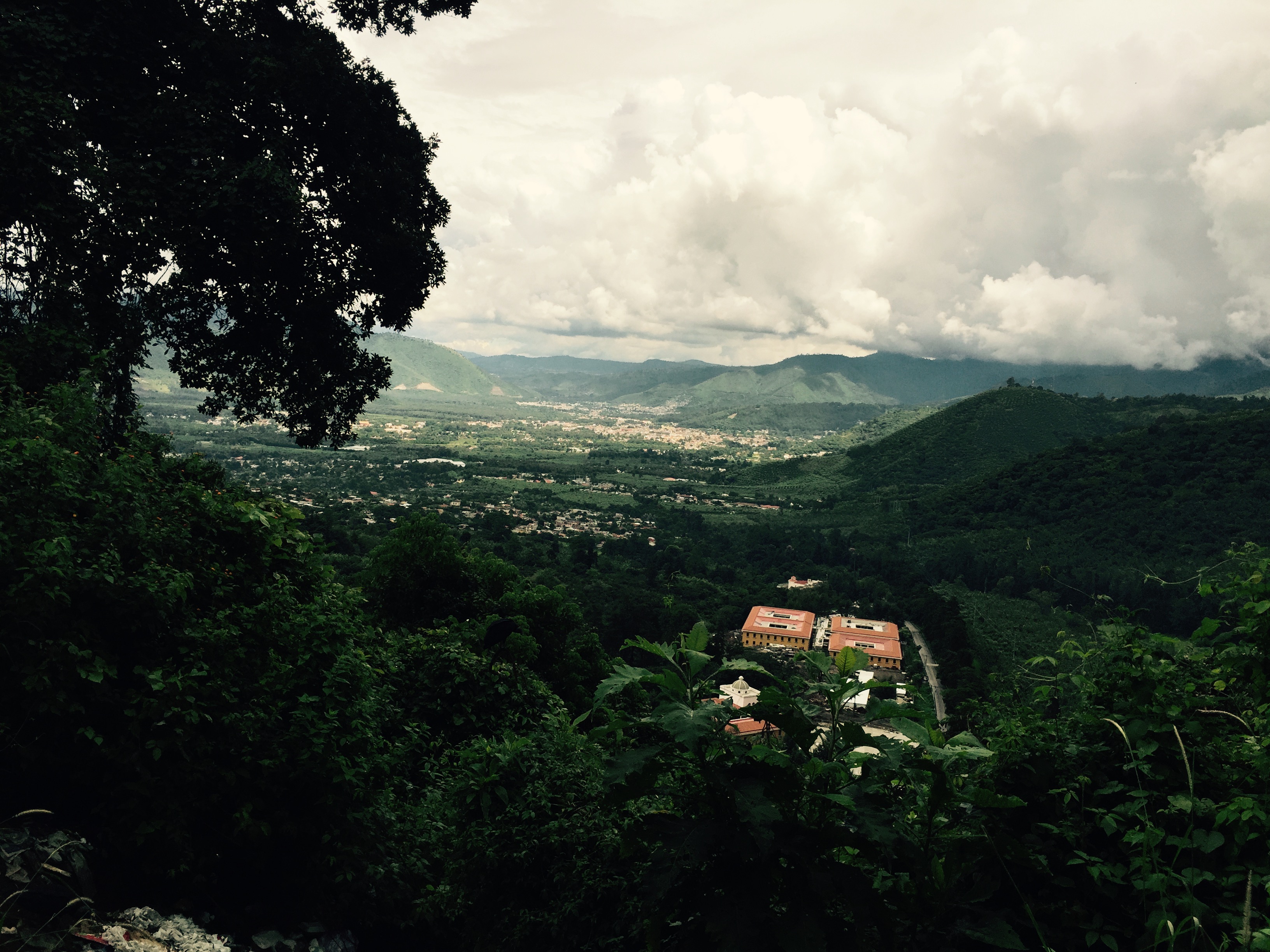 1773 earthquake that ended Antigua’s 200-year reign as Guatemala’s colonial capital. Because Antigua was the cultural, economic, religious, political and educational centre for the entire region, it has many churches and government palaces.
 We arrived in the early evening and as we were standing on the corner looking at the map, trying to figure out where we were going, a man stopped his car to ask us (with an American accent) if we needed help. It turns out that Darryl was from Tennessee and had settled in Antigua (many Americans and Canadians call Antigua home). He owns ten budget hotels and quickly directed us to one close by, called ahead for us and gave us a discounted price. It was a good thing we got settled in a nice place because we got sick and spent the next two and a half days in bed.
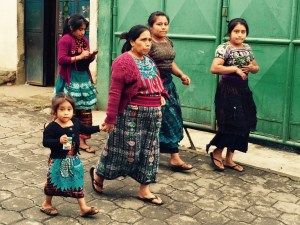
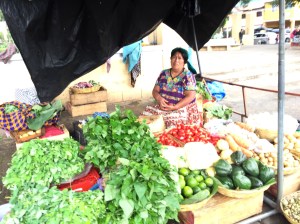
While Antigua is a mix of traditional (colonial style construction and cobblestone streets) and western (English spoken everywhere, people of every possible nationality and restaurants with international cuisine), it is a modern city. There are however, very traditional villages all around the outskirts. We took a tour of the traditional villages and visited a Monday morning market, churches, a public clothes washing area, macadamia nut plantation and a coca processing cooperative.



-
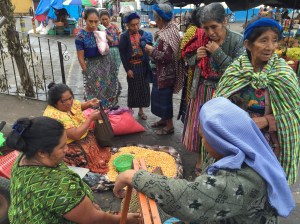
- Haggling over the price of a chicken

-

- Public clothes wash facility
We also visited Santo Domingo, a Catholic convent that was destroyed in the earthquake. 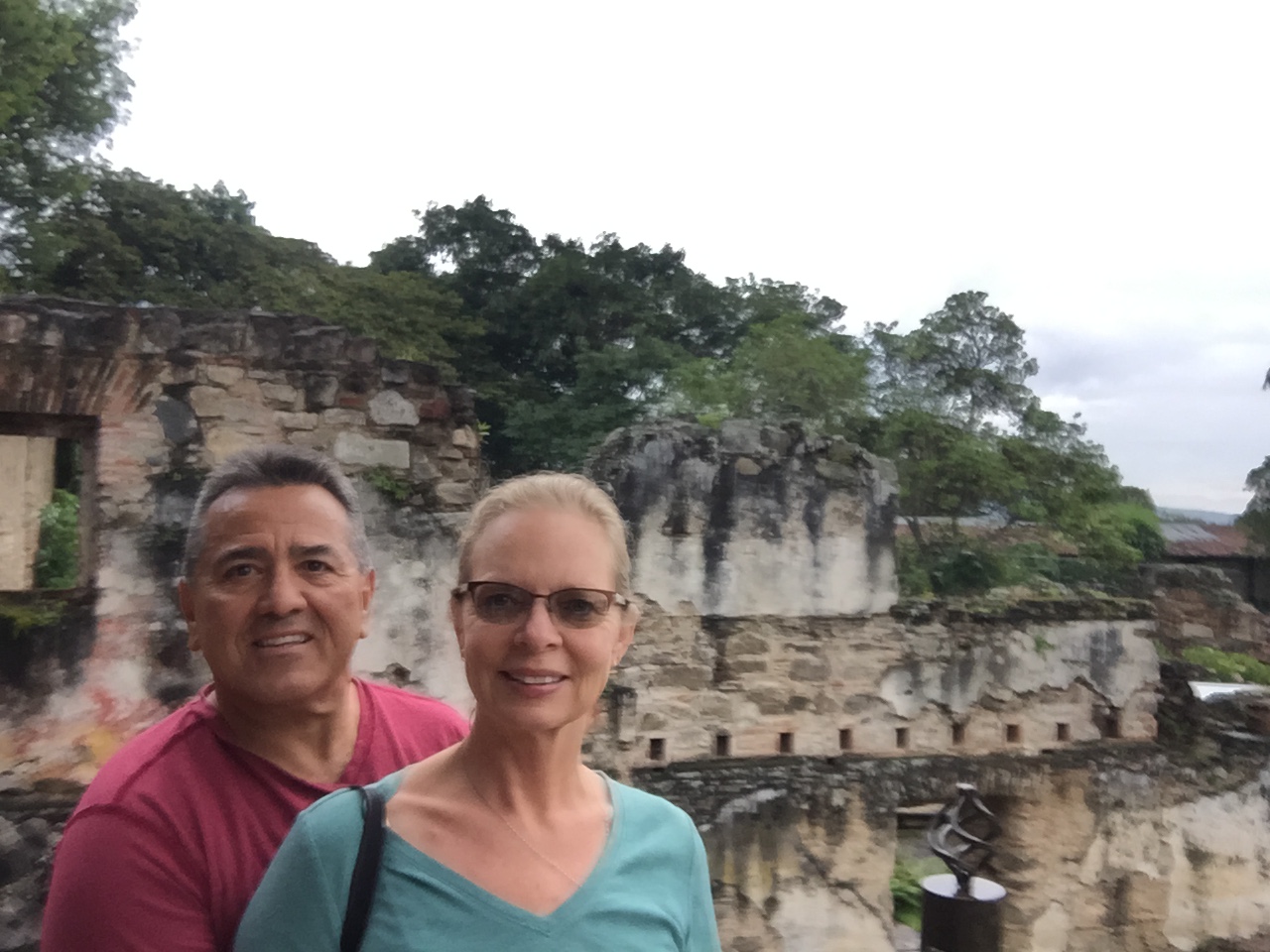 After decades of being used as a dump site it was redeveloped into a convention center and luxury hotel. The new buildings were built around and into the ruins.
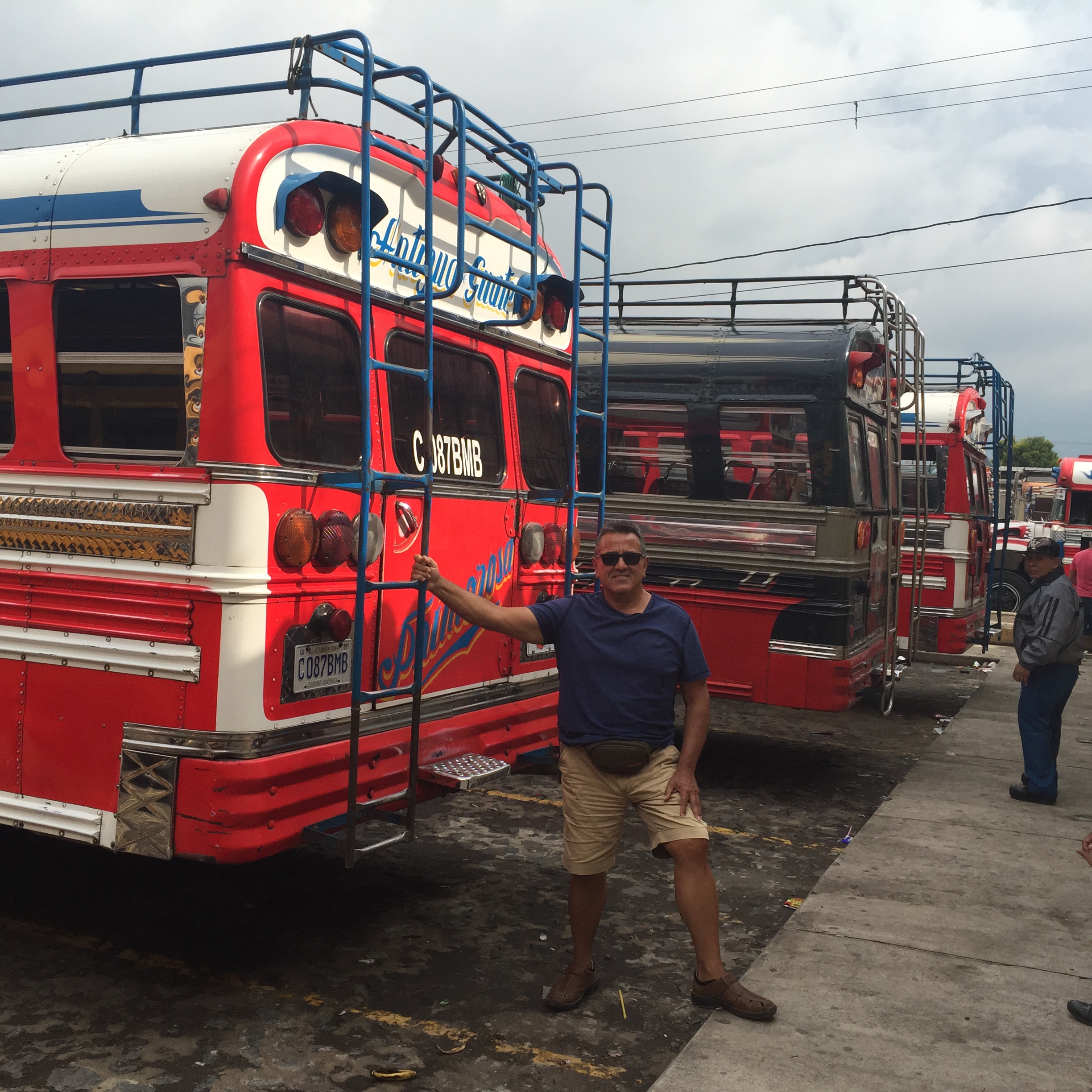
In much of Central America the main source of public transportation are elaborately decorated old school buses. They have been nicknamed “chicken buses” because you never know who or what might be sharing your seat with you.
 Travel the World Backpacking
It is nice to know a perfect stranger was completely helpful and friendly about it! I’m sorry you and Michael became sick. Have you figured the cause? Food? Flu?
Keep these incredible pictures and travel logs coming! I love being on this journey with you!
Thanks for following Lisa. I think it must have been the flu.